Image source: Google
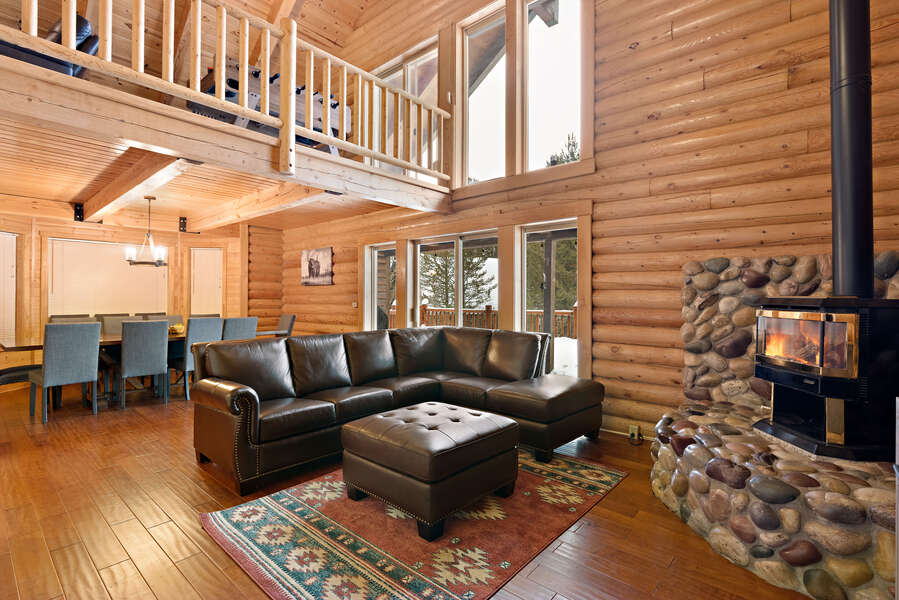
Are you looking for a peaceful escape from the hustle and bustle of everyday life? Consider booking a secluded cabin on a beautiful island for your next vacation. Imagine waking up to the sound of birds chirping, breathing in the fresh air, and being surrounded by the beauty of nature. It's the perfect way to recharge and rejuvenate your mind, body, and soul. In this article, we will explore how you can book a secluded cabin on a beautiful island and what to expect during your stay.
Choosing the Perfect Island
Factors to Consider:
- Location: Decide on the region or country you want to visit.
- Accessibility: Check transportation options to the island.
- Activities: Consider the activities available on the island.
- Scenery: Look for an island with beautiful natural surroundings.
Before booking a secluded cabin, you need to choose the perfect island that suits your preferences. Here are some factors to consider:
Popular Island Destinations:
- Bali, Indonesia
- Maui, Hawaii
- Santorini, Greece
- Great Barrier Reef, Australia
Researching Secluded Cabins
Booking Platforms:
- Airbnb
- VRBO
- HomeAway
- Glamping Hub
Once you've chosen the island, it's time to research secluded cabins available for booking. Here are some popular booking platforms to start your search:
Features to Look for:
- Isolation: Ensure the cabin offers privacy and seclusion.
- Amenities: Check for amenities like a kitchen, bathroom, and comfortable sleeping arrangements.
- Views: Look for cabins with stunning views of the surrounding nature.
- Reviews: Read reviews from previous guests to get an idea of the cabin's quality.
Booking Your Stay
Reservation Tips:
- Book in advance, especially during peak seasons.
- Check cancellation policies in case your plans change.
- Communicate with the host for any special requests or questions.
After finding the perfect secluded cabin, it's time to book your stay. Here are some tips for a smooth reservation process:
Preparing for Your Trip
Packing Essentials:
- Clothing suitable for the island's climate
- Sunscreen and insect repellent
- Hiking shoes or sandals for outdoor activities
- Camera to capture the beautiful surroundings
As you prepare for your trip to the secluded cabin on the beautiful island, make sure to pack the following essentials:
Exploring the Island
Outdoor Activities:
- Hiking through scenic trails
- Swimming in crystal-clear waters
- Snorkeling or diving to explore marine life
- Stargazing under the clear night sky
While staying at the secluded cabin, take the time to explore the island and engage in outdoor activities that connect you with nature. Here are some popular activities to try:
Embracing Serenity
Relaxation Tips:
- Practice yoga or meditation in nature
- Read a book while lounging in a hammock
- Enjoy a leisurely picnic by the beach
- Disconnect from technology and immerse yourself in the present moment
Use this opportunity to embrace the serenity of the island, unwind, and find inner peace amidst the beauty of nature. Here are some relaxation tips to make the most of your secluded getaway:
Capturing Memories
Keepsake Ideas:
- Create a travel journal with your daily experiences
- Take photographs of the stunning landscapes and wildlife
- Collect seashells or rocks as mementos
- Write postcards to friends and family sharing your adventures
Before you leave the island and your secluded cabin behind, capture memories that will last a lifetime. Here are some keepsake ideas to remember your escape to nature:
Final Thoughts
Booking a secluded cabin on a beautiful island offers a unique and unforgettable experience for those seeking a peaceful retreat in nature. Whether you're looking to disconnect from the world or reconnect with yourself, this escape to nature provides a perfect opportunity to unwind, explore, and rejuvenate. Start planning your getaway today and embark on a journey to a secluded paradise that will leave you refreshed and inspired.